
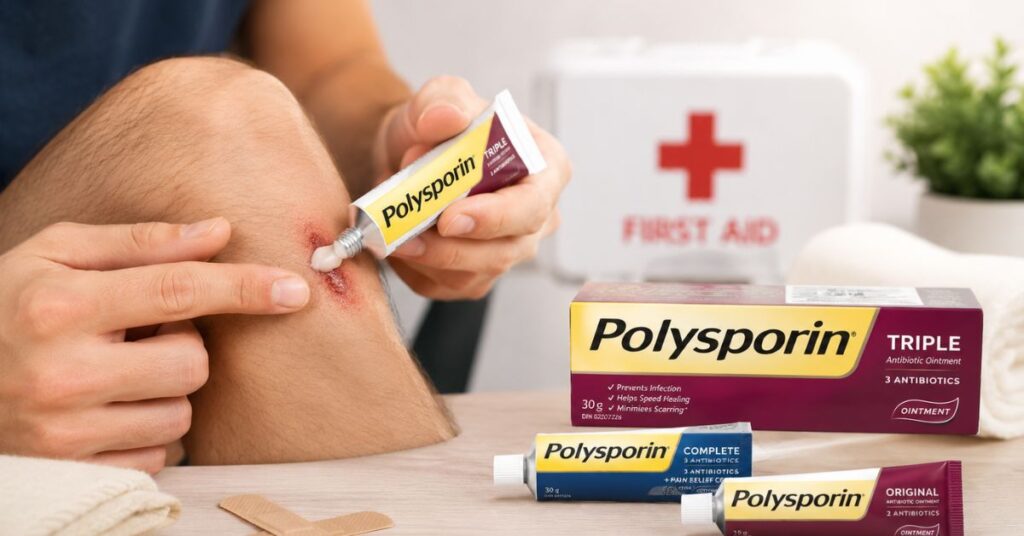
Small cuts, kitchen nicks, scraped knees, and surface burns are common at home. Most are not serious, but they still need proper cleaning and basic care. That is where Polysporin antibiotic ointment can become part of a simple first-aid routine.
This topical first-aid product is commonly used for small skin injuries after the affected area has been cleaned. It may help protect the wound from infection when used as directed on the package label.
In this guide, we explain what Polysporin ointment is, how it is commonly used, how it compares with Polysporin cream, and what to check before buying a wound care product online.
Quick Answer
Polysporin antibiotic ointment is used for minor cuts, scrapes, and minor burns as part of basic first-aid wound care. After cleaning the affected area, a small amount may be applied to help protect the skin and keep the wound covered when needed.
Polysporin Canada says the product is for external use only and should not be used in the eyes, over large areas of the body, or by people allergic to any ingredients. A doctor or pharmacist should be asked before use for deep or puncture wounds, animal bites, serious burns, pregnancy, or breastfeeding.
What Is Polysporin Antibiotic Ointment?
Polysporin antibiotic ointment is a topical ointment used on the skin for minor wound care. It is not meant for every type of injury. It is mainly used for small, everyday skin injuries such as:
- Minor cuts
- Scrapes
- Small surface wounds
- Minor burns
- Small skin breaks that need basic protection
The ointment format is one reason many people keep it in a home first-aid kit. Compared with a lighter cream, an ointment usually feels richer and creates a more noticeable barrier on the skin.
This can be helpful when the affected area may rub against clothing, a shoe, or a bandage. People who prefer a lighter feel may compare it with a cream before buying.
Active Ingredients
Polysporin Antibiotic Ointment contains three medicinal ingredients:
| Ingredient | Strength |
|---|---|
| Bacitracin zinc | 500 unit/g |
| Gramicidin | 0.25 mg/g |
| Polymyxin B sulfate | 10,000 unit/g |
These ingredients are listed by Health Canada for Polysporin Antibiotic Ointment.
Polysporin Ointment vs Cream
Many shoppers compare Polysporin ointment vs cream before choosing a product. The main difference is texture.
| Format | Texture | Best For |
|---|---|---|
| Ointment | Thicker, richer feel | When you want a protective coating |
| Cream | Lighter, less greasy feel | When you want faster absorption |
Ointment may be preferred for small wounds that need a longer-lasting barrier. Cream may be better for users who do not like a greasy feel.
The right choice depends on the wound type, the product label, and personal preference.
How to Use
Proper wound care starts before applying any ointment. The affected area should be cleaned first so dirt, debris, and bacteria are not trapped under the product or bandage.
Mayo Clinic recommends washing hands, rinsing cuts and scrapes with water, avoiding hydrogen peroxide or iodine because they may irritate wounds, applying a thin layer of antibiotic ointment or petroleum jelly when suitable, and covering the wound when appropriate.
Step-by-Step Use
For small everyday wounds:
- Wash your hands before touching the area.
- Rinse the wound gently with clean water.
- Remove visible dirt or debris if it can be done safely.
- Pat the area dry with clean gauze or a clean towel.
- Apply a small amount of ointment as directed.
- Cover with a sterile bandage if needed.
- Change the bandage daily, or sooner if it becomes wet or dirty.
Pharmacy24’s product page also lists directions to clean the affected area, apply Polysporin Antibiotic Ointment 1 to 3 times daily, and cover with a sterile bandage if available.
Key Benefits
1. Helps Protect Small Wounds From Infection
Polysporin Antibiotic Ointment is designed for first-aid use on minor skin injuries. Its three antibiotic ingredients make it a common option for people looking for an antibiotic ointment for cuts, scrapes, and small burns.
2. Creates a Protective Ointment Barrier
The thicker formula helps form a coating over the affected area. This can be useful when the wound may come into contact with clothing, shoes, or a bandage.
3. Non-Stinging and Odourless
Pharmacy24 lists the product as non-stinging and odourless. This can be helpful for families who want a simple first-aid item without a strong smell.
4. Useful for Home, Office, and Travel Kits
A basic first-aid kit may include:
- Sterile bandages
- Gauze pads
- Medical tape
- Disposable gloves
- Tweezers
- Wound cleanser
- A minor wound care ointment
This first-aid ointment can be kept at home, at work, or in a travel kit for small skin injuries.[source]
What Shoppers Should Know Before Buying
Before purchasing any first-aid product, it is helpful to check how it fits your needs.
For this ointment, the main points are:
- It has a thicker texture than a cream.
- It is designed for minor skin injuries.
- It contains three antibiotic ingredients.
- It is available in 15 g and 30 g sizes.
- It should be used only as directed on the package.
- It should not be used on deep wounds, animal bites, serious burns, or large areas unless advised by a healthcare professional.
What Shoppers Look For: Review-Style Feedback on Polysporin Antibiotic Ointment
At Pharmacy24, many shoppers compare first-aid products based on how easy they are to use, what type of wound care they support, and whether the product fits their home medicine cabinet needs.
For Polysporin antibiotic ointment, the main interest is usually around minor cuts, scrapes, and small everyday skin injuries.
What Shoppers May Like About Polysporin
⭐ Useful for Basic First-Aid Kits
Polysporin Antibiotic Ointment is designed for minor cuts, scrapes, and burns, making it a practical product to keep with bandages, gauze, and other first-aid supplies.
⭐ Protective Ointment Texture
Compared with a cream, the ointment format has a thicker feel and may be preferred by people who want a protective coating over a small wound.
⭐ Non-Stinging and Odourless Formula
The product is listed as non-stinging and odourless, which can make it easier to apply during everyday wound care.
⭐ Triple Antibiotic Formula
Polysporin Triple Antibiotic Ointment contains bacitracin zinc, gramicidin, and polymyxin B sulfate, which makes it suitable for shoppers looking for an over-the-counter antibiotic ointment in Canada.
Common Considerations Before Buying
Not for Every Wound
Polysporin Antibiotic Ointment is intended for minor wounds only. Deep cuts, puncture wounds, animal bites, serious burns, or infected wounds should be checked by a doctor or pharmacist.
Ointment May Feel Greasier Than Cream
Some shoppers may prefer Polysporin cream if they want a lighter, less greasy texture. This is why comparing Polysporin ointment vs cream can help before buying.
Use Only as Directed
More ointment does not mean better results. A thin layer should be applied according to the product label, and the area can be covered with a sterile bandage if needed.
Check for Sensitivity
As with any topical product, stop use and ask a healthcare professional if irritation, rash, or worsening symptoms appear.
Overall Product Satisfaction
Based on the product’s listed features and intended use, Polysporin Antibiotic Ointment remains a practical choice for people looking for basic first-aid support for minor cuts, scrapes, and small burns.
Shoppers may appreciate:
– Triple antibiotic formula for minor wound care
– Non-stinging and odourless ointment
– Protective coating for small cuts and scrapes
– Useful option for home, office, travel, or family first-aid kits
– Available as an over-the-counter antibiotic ointment in Canada
Related Polysporin Products at Pharmacy24
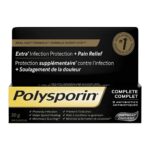
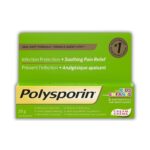
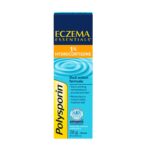
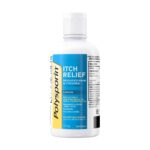
Compare Polysporin ointments, creams, and skin-care options available through Pharmacy24 for minor wound care, itch relief, and related first-aid needs.
When Should You Ask a Pharmacist?
Polysporin antibiotic ointment can be helpful for minor cuts, scrapes, and small burns, but not every wound should be treated at home. A pharmacist can help you decide whether an over-the-counter ointment is suitable or whether the wound needs medical attention.
Ask a pharmacist before using Polysporin if the wound is deep, dirty, or caused by a puncture. You should also ask for guidance if the injury came from an animal bite, the burn looks serious, the wound is near the eyes, or the affected area is larger than a small minor wound.
It is also a good idea to speak with a pharmacist if you are pregnant or breastfeeding, have sensitive skin, have had a reaction to antibiotic ointments before, or are choosing a Polysporin product for a child.
Stop using the product and ask for help if you notice irritation, rash, spreading redness, swelling, warmth, pus, increasing pain, or if the wound does not improve after a few days.
For readers who need extra guidance before choosing a wound care product, Prosper Pharmacy 24 offers pharmacist support and health services in Surrey, BC. Their team provides prescription support, refills, delivery services across Surrey, and pharmacy consultation options through their website. You can visit Prosper Pharmacy 24 to learn more about their pharmacy services or speak with the team before choosing a product for minor wound care.
FAQs
What is Polysporin antibiotic ointment used for?
Polysporin antibiotic ointment is used for minor cuts, scrapes, and minor burns. It is applied after cleaning the skin to help protect the affected area.
Is Polysporin good for cuts?
Yes, Polysporin may be used for small minor cuts after the area is cleaned. Apply a thin layer as directed and cover with a clean bandage if needed.
Can I use Polysporin for scrapes?
Yes, Polysporin can be used for minor scrapes after rinsing away dirt or debris. Use only a thin layer and keep the area clean.
Can Polysporin be used for minor burns?
Yes, Polysporin may be used for small minor burns after cooling the burn with cool running water. Do not use it on serious, large, chemical, or electrical burns unless advised by a doctor.
What is the difference between Polysporin ointment and cream?
Polysporin ointment is thicker and creates a more protective coating. Polysporin cream is lighter, less greasy, and absorbs more quickly.
Which is better: Polysporin ointment or Polysporin cream?
Polysporin ointment may be better when you want a protective layer on a minor wound. Polysporin cream may be better if you prefer a lighter, non-greasy feel.
Is Polysporin an over the counter antibiotic ointment in Canada?
Yes, Polysporin antibiotic ointment is available over the counter in Canada. Always follow the label directions and ask a pharmacist if you are unsure.
How often should Polysporin antibiotic ointment be applied?
Polysporin Triple Antibiotic Ointment is generally applied 1 to 3 times daily, as directed on the product label. Do not use more than recommended.
Can I use Polysporin on deep wounds?
No, Polysporin should not be used on deep wounds, puncture wounds, animal bites, serious burns, or large skin areas unless directed by a doctor.
When should I stop using Polysporin?
Stop using Polysporin and ask a doctor or pharmacist if irritation, rash, swelling, pus, worsening pain, spreading redness, or symptoms lasting more than 7 days occur.
Conclusion
Polysporin antibiotic ointment can be a useful item for basic first-aid care. It is commonly used for small cuts, scrapes, and minor burns after the affected area has been cleaned properly.
The main choice is usually between ointment and cream. Ointment feels thicker and forms a protective layer. Cream feels lighter and less greasy.
For shoppers looking for a protective first-aid ointment, Polysporin Antibiotic Ointment is the key product to consider from Pharmacy24. Always read the package label before use, and ask a pharmacist or doctor if the wound is not clearly minor.
About the Health Experts Meet the team behind this article
Written by: Prosper Pharmacy24 editorial team
The editorial team prepares general health and pharmacy-related content to help readers better understand topics such as medications, vaccinations, travel health, and everyday pharmacy care. Our content is developed with a patient-friendly approach and is intended for educational purposes only.

Medically reviewed by - Dr. Anant Mrar, R.Ph.
He is a registered pharmacist in British Columbia. He provides professional input on selected health content to help ensure the information is clear, practical, and consistent with commonly available pharmacy and public health guidance at the time of publication. This content is for general education and should not replace personalized advice from a pharmacist, physician, or other healthcare professional.