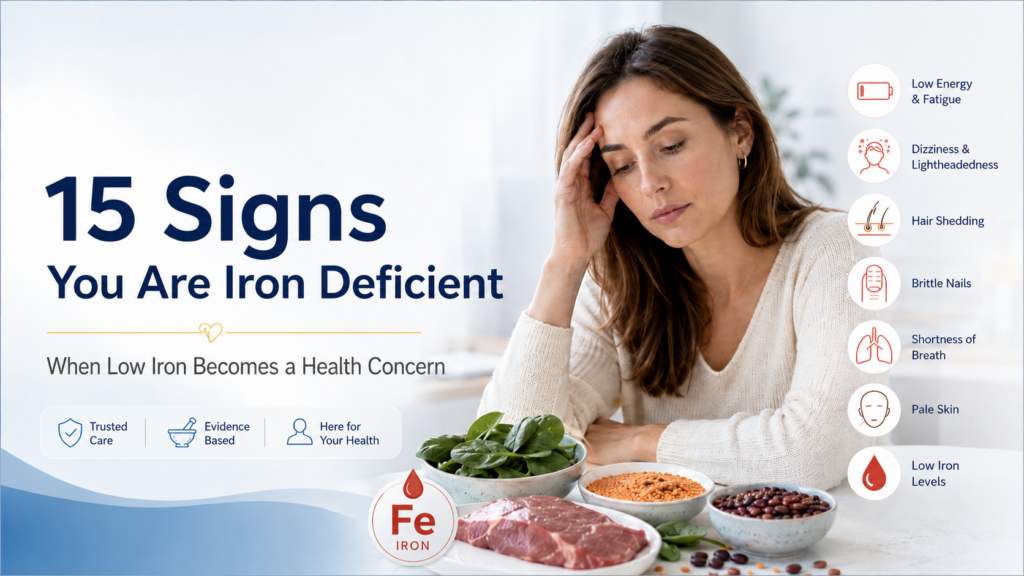
Many people search for 15 signs you are iron deficient because they feel tired, weak, dizzy, cold, or “not like themselves,” but they cannot explain why. Low iron can feel like normal stress at first.
That is why many people ignore the early warning signs.
Iron deficiency does not always begin with a dramatic symptom. It may start with low energy, pale skin, hair shedding, brittle nails, shortness of breath during simple tasks, or poor focus.
These signs of iron deficiency can slowly affect work, sleep, mood, exercise, and daily comfort. Iron is also one of the most common nutrient concerns worldwide.
In Canada, low iron is especially important for people who menstruate, pregnant people, teens, frequent blood donors, endurance athletes, vegetarians, vegans, and people with digestive conditions that affect absorption.
This matters because plant-based iron is non-heme iron, which is not absorbed as easily as heme iron from animal-based foods.
If you follow a vegetarian or vegan diet, understanding heme vs non-heme iron can help you make better food and supplement choices.
The key point is simple: symptoms can raise suspicion, but they cannot confirm the problem. Blood work is the safest way to understand what is happening.
According to BC Guidelines, ferritin is the diagnostic test of choice for iron deficiency, and low iron may cause symptoms even before anemia develops.
Quick answer
The most common signs of iron deficiency include unusual fatigue, weakness, shortness of breath, dizziness, headaches, pale skin, cold hands and feet, fast heartbeat, hair shedding, brittle nails, dry skin, sore tongue, restless legs, unusual cravings like ice, and mood changes.
These symptoms can suggest low iron, but they do not prove it. A ferritin blood test is usually the key test used to check iron stores. A complete blood count and hemoglobin test may also help show whether iron deficiency anemia has developed.
Why Iron Is Important for Your Body
Iron helps your body make hemoglobin. Hemoglobin is the protein in red blood cells that carries oxygen from your lungs to the rest of your body. When iron is low, your body may struggle to move enough oxygen to your muscles, brain, skin, and organs.
This is why symptoms of low iron often show up as fatigue, weakness, dizziness, shortness of breath, headaches, cold hands and feet, and poor concentration.
Your body is still working, but it may feel like it is running with less fuel than it needs. Iron also supports myoglobin, a protein that helps muscles use oxygen. That is one reason low iron can make stairs, workouts, walking, or long workdays feel harder than usual. Some people describe it as heavy legs, low stamina, or feeling drained after tasks that used to feel easy.
Low iron can also affect areas people do not always connect with nutrition.
Hair follicles, nails, skin, and the mouth need steady oxygen and nutrients. When iron stores fall, some people notice hair shedding, brittle nails, dry-looking skin, cracks near the mouth, or a sore tongue.
Iron also plays a role in brain and nervous system function. Some people with low iron report brain fog, irritability, low motivation, poor sleep, or restless legs.
These symptoms do not always mean iron deficiency, but they are worth paying attention to when they appear with fatigue, dizziness, heavy periods, or shortness of breath.
Along with proper testing, eating more iron-rich foods may support healthy iron intake as part of a balanced diet.
15 Signs You Are Iron Deficient
The 15 signs you are iron deficient can look different from person to person. Some people notice low energy first. Others notice hair shedding, dizziness, pale skin, brittle nails, or shortness of breath.
These symptoms do not confirm iron deficiency on their own.
They are clues. If several symptoms appear together, especially with heavy periods, pregnancy, restricted diet, frequent blood donation, or digestive issues, it may be time to ask about blood work.
For women with confirmed low ferritin, this guide on the best iron supplements for women with low ferritin can help explain common supplement options before speaking with a healthcare provider or pharmacist.
1. Unusual Fatigue That Does Not Match Your Routine
Fatigue is one of the most common signs of iron deficiency. This is not the same as feeling tired after a long day. It can feel like your body has less power than usual, even after rest.
Low iron can affect how well oxygen moves through the body. When your muscles and brain receive less oxygen support, normal tasks may feel harder. You may wake up tired, lose energy by midday, or feel drained after simple errands.
This kind of fatigue is easy to blame on stress, work, parenting, poor sleep, or a busy schedule. But if it continues and comes with other iron deficiency symptoms, it should not be ignored.
2. Weakness or Heavy Muscles
Low iron may make your muscles feel weak, heavy, or slow. Some people describe it as “my legs feel tired before I even start.” Others notice they cannot carry groceries, climb stairs, or finish workouts like before.
This happens because iron helps support oxygen delivery and muscle function. When iron stores are low, the body may struggle to keep up with physical demand.
Weakness can come from many causes. But when it appears with fatigue, dizziness, pale skin, or breathlessness, low iron becomes one possible reason to check.
3. Shortness of Breath During Normal Tasks
Shortness of breath can be one of the more noticeable symptoms of low iron. You may feel winded while climbing stairs, walking quickly, doing housework, or exercising.
This can happen because the body depends on iron to help red blood cells carry oxygen. If oxygen delivery is reduced, your breathing may feel harder during tasks that used to feel normal.
Shortness of breath at rest, chest pain, fainting, or a fast irregular heartbeat should be checked promptly. Those symptoms may need urgent medical advice.
4. Dizziness or Lightheadedness
Dizziness can show up as feeling unsteady, faint, weak, or lightheaded. Some people notice it when standing up quickly. Others feel it during exercise or while doing routine work.
Low iron may reduce oxygen support to the brain, especially if iron deficiency has progressed. This can make you feel off balance or foggy.
Dizziness has many possible causes, including dehydration, low blood pressure, blood sugar changes, inner ear issues, and medications. If dizziness keeps happening or appears with other low iron symptoms, ask a healthcare provider about testing.
5. Headaches or Brain Fog
Iron deficiency can make thinking feel harder. You may feel slower, distracted, forgetful, or unable to focus for long.
Some people also get more frequent headaches. This can happen when the brain is not getting the oxygen support it needs, though headaches can also have many other causes.
This is often what people mean when they ask what iron deficiency feels like. It may feel like your body is awake, but your mind is behind.
6. Pale Skin, Pale Gums, or Pale Inner Eyelids
Pale skin can be a visible clue, especially when it appears with fatigue, weakness, or dizziness. Some people notice paleness in the face. Others see it in the gums, lips, nail beds, or the inside of the lower eyelid.
This may happen when low iron affects hemoglobin, the oxygen-carrying protein in red blood cells. Less healthy red blood cell activity can make the skin look less pink than usual.
Paleness alone is not enough to diagnose iron deficiency. Skin tone, lighting, cold weather, and other health issues can affect appearance.
7. Cold Hands and Feet
Feeling cold all the time can be frustrating. Some people with low iron notice cold hands, cold feet, or chills even when others feel comfortable.
This can happen when oxygen delivery and circulation support are not working at their best. Your body may prioritize major organs, leaving hands and feet feeling colder.
Cold hands and feet can also relate to thyroid problems, circulation issues, low body weight, or cold exposure. It becomes more meaningful when it appears with fatigue, dizziness, hair shedding, or pale skin.
8. Fast Heartbeat or Heart Palpitations
Some people with low iron notice their heart beating faster than usual. Others feel fluttering, pounding, or skipped beats.
This may happen because the heart tries to move oxygen-rich blood around the body more efficiently. If iron deficiency becomes more severe, the heart may work harder than normal.
New palpitations should not be brushed aside. If they come with chest pain, fainting, shortness of breath at rest, or severe weakness, seek medical help quickly.
9. Hair Shedding or Thinning
Hair shedding is one of the symptoms that often pushes people to search for answers. Low iron can affect hair growth because hair follicles need steady oxygen and nutrients.
Some people notice more hair in the shower, on the pillow, or in the brush. Others feel their hair looks thinner over time.
If hair shedding is one of your main concerns, it may also help to review other common hair-support factors, including nutrition, stress, scalp care, and routine habits. You can read more about how to grow your hair faster while still checking whether low iron may be part of the issue.
10. Brittle, Weak, or Spoon-Shaped Nails
Nails may become weak, brittle, thin, cracked, or slow to grow. In some cases, nails can develop a spoon-like shape, where the middle dips inward.
This is one reason low iron is linked with skin, hair, and nail changes. These tissues need good oxygen and nutrient support to stay healthy.
Nail changes usually develop slowly. If they appear with tiredness, hair shedding, pale skin, or heavy periods, it is worth asking whether iron levels should be checked.
11. Dry Skin or Slow Skin Recovery
Low iron may affect the way skin looks and feels. Some people notice dryness, dullness, slower healing, or a washed-out look.
This does not mean every skin change is caused by iron deficiency. Weather, hydration, eczema, aging, skincare products, hormones, and thyroid issues can all play a role.
Still, skin changes may matter when they appear together with other iron deficiency symptoms, such as fatigue, cold hands, dizziness, or brittle nails.
12. Sore Tongue, Mouth Cracks, or Mouth Discomfort
Some people with low iron develop a sore, smooth, swollen, or sensitive tongue. Cracks at the corners of the mouth can also appear.
These mouth symptoms may make eating acidic, spicy, or hot foods uncomfortable. They may also occur with other nutrient deficiencies, oral irritation, dry mouth, or infections.
If mouth discomfort keeps coming back, it should be checked. It may be a small symptom, but it can point to a wider nutrition or blood-related concern.
13. Restless Legs or Poor Sleep
Restless legs can feel like an urge to move the legs, often at night. Some people describe crawling, pulling, tingling, or uncomfortable sensations that improve when they move.
Low iron stores have been linked with restless legs in some people. Poor sleep from restless legs can then make fatigue worse the next day.
This can create a cycle: poor sleep, low energy, irritability, and reduced focus. If restless legs are new or frequent, ask a healthcare provider whether ferritin testing is appropriate.
14. Craving Ice, Dirt, Clay, or Other Non-Food Items
Craving ice is a well-known clue linked with iron deficiency. Some people chew ice often and feel a strong urge to keep doing it.
Cravings for non-food items, such as dirt, clay, paper, or starch, are called pica. This should always be discussed with a healthcare provider.
These cravings may feel strange or embarrassing, but they are important to mention. They can help guide the right testing and treatment plan.
15. Mood Changes, Irritability, or Low Motivation
Low iron can affect how you feel emotionally. Some people feel irritable, flat, anxious, low, or less motivated than usual.
This may be linked to fatigue, poor sleep, lower oxygen support, and the stress of feeling unwell for weeks or months. It can also overlap with mental health concerns, thyroid issues, vitamin deficiencies, and life stress.
Mood changes alone do not prove low iron. But if mood shifts appear with fatigue, hair shedding, cold hands, dizziness, or breathlessness, iron testing may be worth discussing.
FERAPRO 150mg (Bob’s Iron Formula)
High-potency iron option that’s positioned as gentle on the stomach.
FeraMAX® Pd Therapeutic 150 Capsules
Popular polysaccharide-iron style capsule, often chosen for better tolerance.
Palafer® Ferrous Fumarate 300 mg Capsules
A classic ferrous fumarate option—useful when you want a straightforward iron capsule.
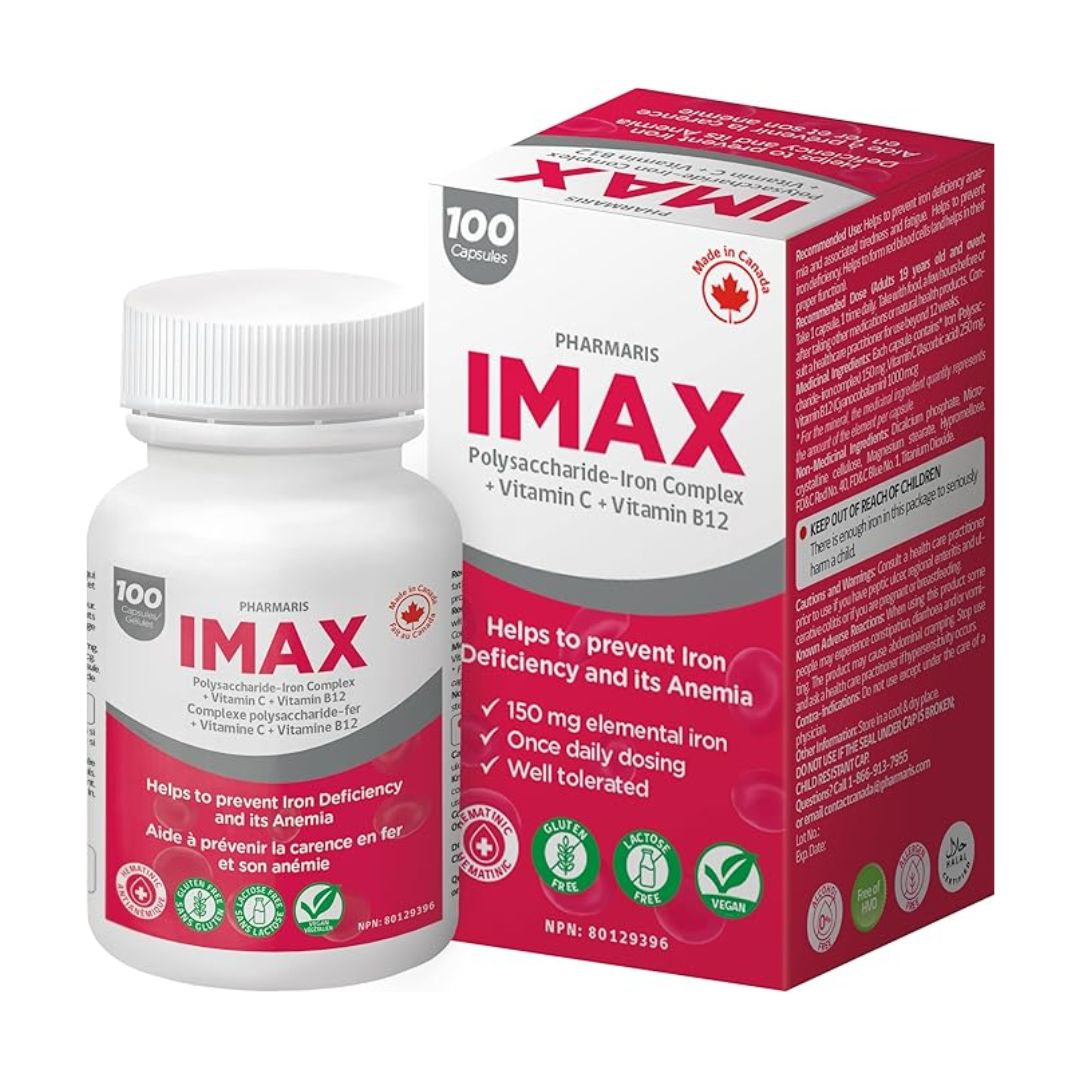
IMAX Iron Complex + Vitamin C + Vitamin B12
Polysaccharide iron with added vitamin C & B12—aimed at easier absorption and energy support.
Why Low Iron Should Not Be Ignored
Low iron can exist before iron deficiency anemia. This matters because a person may have symptoms even when hemoglobin is still in range. In other words, “not anemic” does not always mean iron stores are healthy.
The difference is important:
| Condition | Simple Meaning | Why It Matters |
|---|---|---|
| Iron deficiency | Iron stores are low | Symptoms may begin before anemia |
| Iron deficiency anemia | Low iron has affected red blood cells or hemoglobin | Symptoms may become stronger and need medical follow-up |
If you are wondering how to know if you are iron deficient, the safest first step is to speak with a healthcare provider and ask whether blood work is appropriate. A pharmacist can also help explain iron supplement forms, timing, absorption, stomach side effects, and medication spacing.
What to Do After Noticing Symptoms of Low Iron
If you notice several iron deficiency symptoms, the best next step is not to guess. The safest step is to confirm what is happening with blood work.
Low iron can feel like fatigue, dizziness, weakness, hair shedding, brittle nails, shortness of breath, poor focus, or low mood. But these symptoms can also happen with thyroid issues, low vitamin B12, poor sleep, infection, stress, pregnancy, heavy bleeding, or other health concerns.
Step 1: Track Your Symptoms
Start by writing down what you feel and when it happens. This makes it easier to explain your symptoms to a doctor, nurse practitioner, or pharmacist.
Track simple details such as:
- Fatigue, dizziness, shortness of breath, hair shedding, nail changes, cold hands, headaches, and mood changes
- Heavy periods, recent pregnancy, blood donation, diet changes, stomach symptoms, or new medications
This helps connect patterns. For example, feeling breathless on stairs plus heavy periods and hair shedding may be more useful than saying, “I feel tired.”
Step 2: Ask About a Blood Test
If you are wondering how to know if you are iron deficient, blood work is the key. Symptoms can suggest low iron, but a blood test helps confirm it.
Common tests may include ferritin, complete blood count, hemoglobin, and sometimes transferrin saturation. Ferritin is especially important because it helps show stored iron.
According to BC Guidelines, serum ferritin is the diagnostic test of choice for iron deficiency. HealthLinkBC also explains that low ferritin levels often mean iron deficiency is present.
| Blood Test | What It Helps Show | Simple Meaning |
|---|---|---|
| Ferritin | Stored iron | Helps show whether your iron stores are low |
| Complete blood count | Red blood cell pattern | Helps check if anemia may be present |
| Hemoglobin | Oxygen-carrying protein in blood | Helps show how severe anemia may be |
| Transferrin saturation | Iron available in the blood | May be used in some cases when ferritin is harder to interpret |
Ferritin is often the most important test when checking for low iron because it reflects stored iron. However, your healthcare provider may look at more than one result.
Inflammation, infection, pregnancy, chronic disease, and recent illness can affect how some iron tests are interpreted.
Step 3: Find the Cause, Not Just the Symptom
Low iron often has a reason behind it. Taking iron without understanding the cause may miss something important.
Possible causes include heavy menstrual bleeding, pregnancy, low iron intake, poor absorption, frequent blood donation, digestive conditions, or internal bleeding. In older adults, new iron deficiency anemia should always be taken seriously and reviewed by a healthcare provider.
The goal is not just to raise iron. The goal is to understand why it became low.
Step 4: Choose the Right Iron Plan
If testing confirms low iron, your healthcare provider may suggest food changes, supplements, or further testing. The right plan depends on your ferritin level, symptoms, medical history, stomach tolerance, pregnancy status, and other medications.
If your blood work confirms low iron, your healthcare provider or pharmacist may suggest an iron supplement for sensitive stomach. The best option depends on your iron level, stomach tolerance, pregnancy status, other medications, and the reason your iron is low.
FERAPRO 150mg (Bob’s Iron Formula)
High-potency iron option that’s positioned as gentle on the stomach.
FeraMAX® Pd Therapeutic 150 Capsules
Popular polysaccharide-iron style capsule, often chosen for better tolerance.
Palafer® Ferrous Fumarate 300 mg Capsules
A classic ferrous fumarate option—useful when you want a straightforward iron capsule.
IMAX Iron Complex + Vitamin C + Vitamin B12
Polysaccharide iron with added vitamin C & B12—aimed at easier absorption and energy support.
How to Take Iron Supplements More Safely
Do not start high-dose iron only because you feel tired. First, ask whether blood work is needed. Too much iron can be harmful, and fatigue can have many causes.
If iron is recommended, your pharmacist can help you choose a form that fits your stomach and routine. Some people get constipation, nausea, dark stools, or stomach discomfort from iron.
Taking iron exactly as directed can reduce problems.
Iron can also interact with some medications and supplements. It may need to be spaced away from calcium, antacids, thyroid medication, and certain antibiotics.
Ask your pharmacist how far apart to take them.
For food, vitamin C-rich foods may help your body absorb non-heme iron from plant foods. Tea, coffee, calcium-rich foods, and high-phytate foods may reduce absorption when taken at the same time.
Best Next Step If You Think You Have Low Iron
If you have several symptoms of iron deficiency, do not guess. Track your symptoms, ask about ferritin and a complete blood count, and speak with a healthcare provider or pharmacist before choosing an iron supplement.
Symptoms are clues. Blood work gives clearer answers. Some symptoms should not wait for a routine appointment.
Get medical help quickly if you have chest pain, fainting, shortness of breath while resting, a very fast or irregular heartbeat, black or bloody stools, severe weakness, or heavy bleeding that does not slow down.
These symptoms do not always mean iron deficiency. They can also point to heart, lung, bleeding, or other urgent health problems. If you are unsure, it is safer to get checked. [Book Online Appointment]
FAQs
1. What are the first signs of iron deficiency?
The first signs of iron deficiency are often subtle. Many people notice unusual fatigue, lower stamina, cold hands and feet, brain fog, dizziness, headaches, or hair shedding.
These early signs of iron deficiency can be easy to blame on stress or poor sleep. If symptoms continue or appear with heavy periods, pregnancy, blood donation, or a limited diet, ask about blood work.
2. What blood test shows iron deficiency?
Ferritin is commonly used to check stored iron. A healthcare provider may also order a complete blood count, hemoglobin, and sometimes transferrin saturation.
These tests help show whether your iron stores are low and whether anemia has developed.
3. How do I know if I am iron deficient?
The only reliable way to know is through blood testing. Symptoms can raise suspicion, but they cannot confirm iron deficiency.
A healthcare provider may check ferritin, hemoglobin, and a complete blood count. Ferritin helps show stored iron, while hemoglobin helps show whether anemia is present.
4. What does iron deficiency feel like?
What iron deficiency feels like can vary. Some people feel tired, weak, cold, dizzy, breathless, or mentally foggy. Others notice hair thinning, brittle nails, restless legs, poor sleep, headaches, or low motivation.
It often feels like your body is working harder than it should for normal tasks.
5. Should I take iron if I feel tired?
Not automatically. Tiredness can happen for many reasons, including poor sleep, stress, thyroid issues, low vitamin B12, infection, pregnancy, and other health concerns.
If tiredness continues or appears with other symptoms like dizziness, breathlessness, heavy periods, or hair shedding, ask about blood work before starting iron.
6. Can you be iron deficient without anemia?
Yes. Iron deficiency can happen before anemia develops. This means iron stores may be low even if hemoglobin is still in the normal range.
This is why ferritin matters. A person may feel symptoms before they are officially diagnosed with iron deficiency anemia.
7. What is the difference between iron deficiency and iron deficiency anemia?
Iron deficiency means your iron stores are low. Iron deficiency anemia means low iron has affected red blood cell production or hemoglobin.
Both matter. Iron deficiency can cause symptoms before anemia develops, while iron deficiency anemia may cause stronger fatigue, weakness, breathlessness, dizziness, or palpitations.
8. Can low iron cause hair loss?
Low iron can be one possible factor in hair shedding or thinning. Hair follicles need oxygen and nutrients to support normal growth.
Hair loss can also come from stress, thyroid problems, postpartum changes, genetics, illness, medications, and other nutrient deficiencies. Testing helps show whether low iron may be part of the problem.
9. Can a pharmacist help with low iron?
Yes. A pharmacist can help you understand iron supplement forms, stomach side effects, timing, medication spacing, and absorption tips.
A pharmacist cannot diagnose iron deficiency from symptoms alone, but they can help you choose a safer next step after testing or medical advice.
10. What foods help with low iron?
Iron is found in foods such as meat, poultry, fish, eggs, beans, lentils, tofu, whole grains, dark green vegetables, nuts, and seeds.
Animal-based heme iron is usually absorbed more easily than plant-based non-heme iron. Pairing plant-based iron foods with vitamin C-rich foods may help absorption. [Source]
Conclusion
The 15 signs you are iron deficient can include fatigue, weakness, dizziness, pale skin, cold hands and feet, shortness of breath, hair shedding, brittle nails, headaches, restless legs, and mood changes.
These symptoms may start quietly, but they can affect daily life when iron stores keep falling.
For gentle daily support, you can explore trusted iron supplement options online and choose a form that fits your needs, tolerance, and routine.
Always check the product details, follow label directions, and speak with a healthcare provider or pharmacist if you are pregnant, taking medication, or unsure which iron option is right for you.
Low iron is not something to guess about. Symptoms are clues, but blood work gives clearer answers.
Ferritin, hemoglobin, and a complete blood count can help show whether you have iron deficiency, iron deficiency anemia, or another issue that needs attention.
If you notice several symptoms together, especially with heavy periods, pregnancy, blood donation, digestive issues, or a restricted diet, speak with a healthcare provider.
After testing, Prosper Pharmacy 24 can help you understand iron supplement options, stomach-friendly forms, absorption tips, and safe next steps.
If standard medication or supplement forms are difficult to tolerate, a compounding pharmacy may help explain whether a customized option is appropriate, depending on the patient’s needs and prescriber guidance.
FERAPRO 150mg (Bob’s Iron Formula)
High-potency iron option that’s positioned as gentle on the stomach.
FeraMAX® Pd Therapeutic 150 Capsules
Popular polysaccharide-iron style capsule, often chosen for better tolerance.
Palafer® Ferrous Fumarate 300 mg Capsules
A classic ferrous fumarate option—useful when you want a straightforward iron capsule.
IMAX Iron Complex + Vitamin C + Vitamin B12
Polysaccharide iron with added vitamin C & B12—aimed at easier absorption and energy support.
About the Health Experts Meet the team behind this article

Written by: Prosper Pharmacy24 editorial team
The editorial team prepares general health and pharmacy-related content to help readers better understand topics such as medications, vaccinations, travel health, and everyday pharmacy care. Our content is developed with a patient-friendly approach and is intended for educational purposes only.

Medically reviewed by - Dr. Anant Mrar, R.Ph.
He is a registered pharmacist in British Columbia. He provides professional input on selected health content to help ensure the information is clear, practical, and consistent with commonly available pharmacy and public health guidance at the time of publication. This content is for general education and should not replace personalized advice from a pharmacist, physician, or other healthcare professional.