FERAPRO 150mg (Bob’s Iron Formula)
High-potency iron option that’s positioned as gentle on the stomach.
FeraMAX® Pd Therapeutic 150 Capsules
Popular polysaccharide-iron style capsule, often chosen for better tolerance.
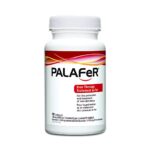
Palafer® Ferrous Fumarate 300 mg Capsules
A classic ferrous fumarate option—useful when you want a straightforward iron capsule.
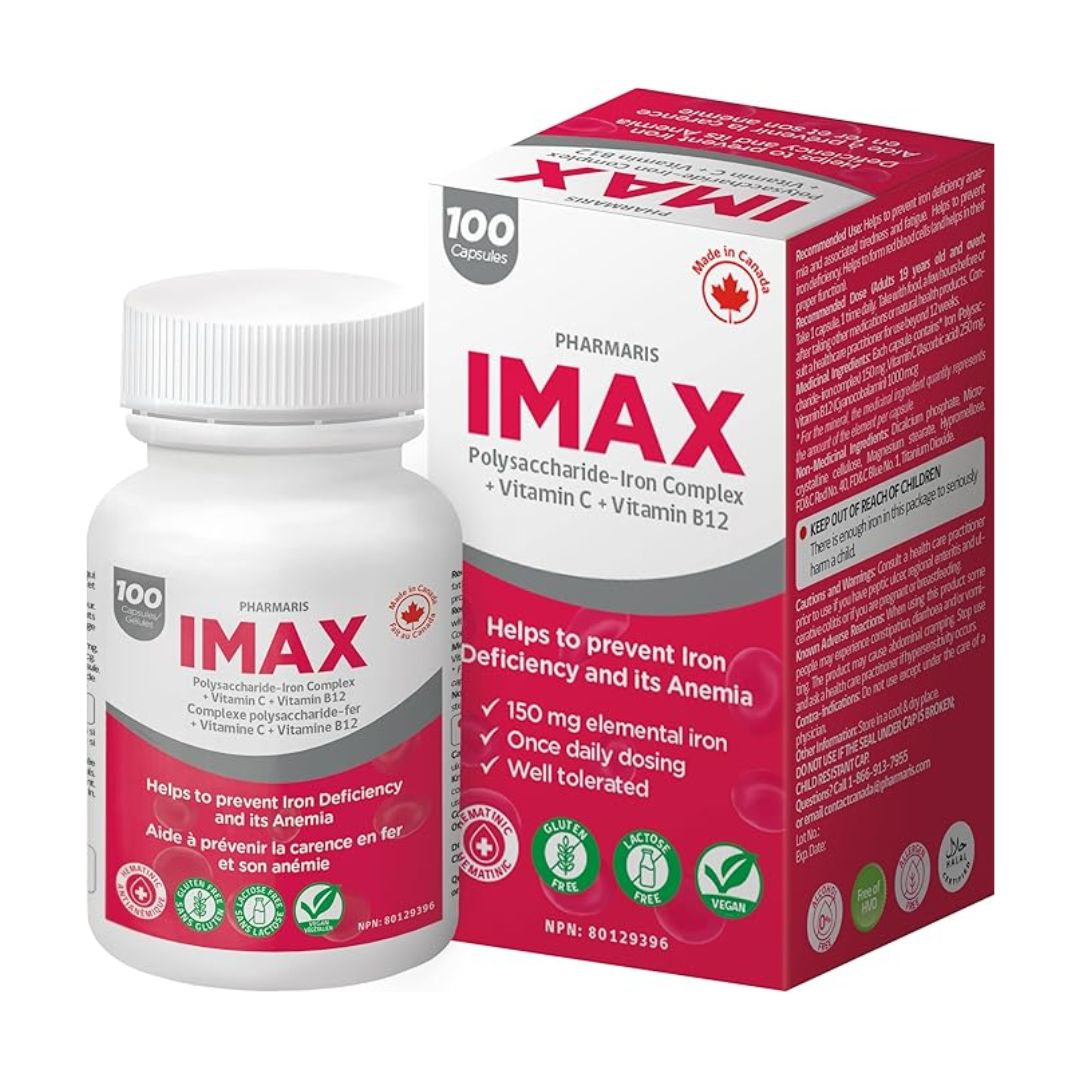
IMAX Iron Complex + Vitamin C + Vitamin B12
Polysaccharide iron with added vitamin C & B12—aimed at easier absorption and energy support.
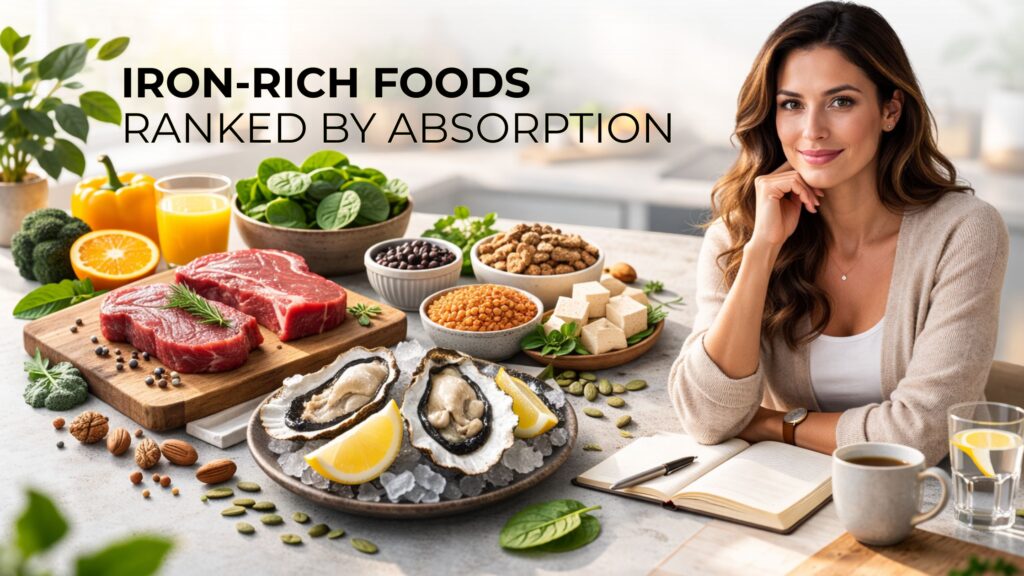
If you’re searching for what foods are high in iron, the most accurate answer isn’t just about iron quantity; it’s about bioavailability. Some foods contain iron but are poorly absorbed.
Others deliver smaller amounts but are absorbed efficiently.
From a clinical nutrition perspective, iron-rich foods fall into two categories:
- Heme iron (animal-based, highly absorbable)
- Non-heme iron (plant-based, absorption depends on pairing)
Understanding this difference is what separates a generic list from a medically useful guide.
Highest Heme Iron Foods (Most Absorbable Sources)
Heme iron is found in animal tissue and is absorbed at a rate of approximately 15–35%, according to the NIH Office of Dietary Supplements.
These are the most effective dietary sources for raising iron levels:
Beef Liver
- ~6.5 mg iron per 100g
- Extremely high bioavailability
- Also rich in vitamin A and B12

Oysters
- ~7 mg iron per 100g
- High absorption rate
- Excellent mineral density
Lean Beef
- ~2.6 mg iron per 100g
- Sustainable regular option
Sardines
- ~2.9 mg iron per 100g
- Added omega-3 benefit
These foods are particularly effective for:
- Individuals with diagnosed iron deficiency
- Women with heavy menstrual cycles
- Postpartum recovery
- Athletes with high iron turnover
Highest Non-Heme Iron Foods (Plant-Based Sources)
Non-heme iron is found in plant foods and fortified products. Absorption ranges between 2–20%, depending heavily on meal composition.
Top non-heme sources include:
Pumpkin Seeds
Pumpkin seeds top plant sources with about 8 mg of non-heme iron per 100g serving, making them one of the densest options.
Studies show they contribute significantly to daily iron needs, with one analysis noting seeds like these provide up to 44% of women’s recommended intake when fortified or paired well.
A 2022 review highlighted their high bioavailability potential when consumed with ascorbic acid to counter phytates. [Source]
Lentils (Cooked)
Cooked lentils deliver around 3.3 mg per 100g, positioning them as a staple for vegetarian diets worldwide.
Research from NCBI indicates legumes like lentils supply 17% or less absorbed iron overall, but pairing boosts this; rat studies showed hemoglobin levels rivaling heme sources with vitamin C.
They’re affordable and versatile in curries or soups. [Source]
Spinach (Cooked)
Cooked spinach provides ~3.6 mg per 100g, but oxalates bind iron, limiting uptake to under 5% without enhancers.
A StatPearls review confirms non-heme iron from greens like spinach has half the heme iron’s bioavailability, improved by cooking and vitamin C.
Population studies link regular intake to reduced anemia risk in plant-based eaters.[Source]
Tofu
Tofu offers ~5.4 mg per 100g, a solid vegan protein-iron combo from soybeans.
In vitro studies emphasize its role in diverse diets, with absorption enhanced by acidic foods like lemon.
Firm varieties maximize yield, supporting muscle and oxygen transport.
Chickpeas
Chickpeas contain ~2.9 mg per 100g, prized for affordability and use in hummus or curries. Reviews note beans provide 20–46% of daily needs per serving, with vitamin C countering polyphenols for better uptake.
Longitudinal data show a lower deficiency in women.
Fortified Cereals
Fortified cereals pack up to 18 mg per serving, often hitting 100% of men’s RDA.
Data stresses timing, consume without tea or calcium for optimal 2–20% absorption. Trials confirm they combat anemia effectively in fortified diets.
Non-heme iron requires strategy. Without vitamin C or proper food pairing, much of it passes through unabsorbed.
For an in-depth comparison of heme and non-heme iron, see our detailed blog post.
Why Iron Matters – Beyond Just “Low Energy”
Most people search what foods are high in iron because they feel tired.
But iron’s role in the body extends far beyond fatigue. It is fundamental to oxygen transport, cellular metabolism, neurological function, and immune resilience.
Iron deficiency is not just a dietary issue, it is a physiological bottleneck.
Iron and Oxygen Transport (Hemoglobin & Myoglobin)
Iron is a central component of hemoglobin, the protein in red blood cells that carries oxygen from the lungs to tissues.
Without sufficient iron:
- Oxygen delivery decreases
- Muscles fatigue faster
- Exercise tolerance drops
- Brain function becomes sluggish
Iron is also part of myoglobin, which stores oxygen in muscle cells.
This explains why athletes with low ferritin often experience reduced endurance even before anemia develops.
From a clinical standpoint, this is why iron deficiency can cause:
- Shortness of breath
- Decreased stamina
- Early fatigue during physical activity
Iron’s Role in Cellular Energy Production
Iron is required for enzymes involved in mitochondrial respiration – the process that produces ATP (adenosine triphosphate), your body’s energy currency.
When iron is insufficient:
- ATP production slows
- Cells generate less usable energy
- Fatigue becomes persistent, not occasional
This is why iron deficiency fatigue feels different from normal tiredness. It is systemic.
Even with adequate sleep, individuals may feel:
- Drained upon waking
- Mentally foggy
- Physically weak
The root issue is impaired cellular efficiency.
Brain and Immunity Boost
Iron aids neurotransmitter synthesis like dopamine for focus and mood. Kids face learning hurdles; adults get concentration lapses or restless legs.
It also supports immune cells, too little weakens infection defense.
A Major Issue for Women
Globally common, iron deficiency hits reproductive-age women hardest via periods, pregnancy, and recovery, leading to low ferritin, hair loss, and cold sensitivity. Women 19–50 need nearly double the iron men do.
Stages Before Anemia
Low stores (ferritin) precede transport issues and full anemia. Symptoms hit early, so ramp up iron-rich foods proactively for best results.
Do You Need an Iron Supplement? When Diet Isn’t Enough
After learning what foods are high in iron and how to improve absorption naturally, the next question is practical:
When is food sufficient – and when is supplementation necessary?
Iron supplements can be highly effective, but they must be used correctly and strategically.
Who Should Consider Iron Supplementation?
Supplementation is typically recommended when laboratory testing confirms a deficiency.
You may need supplementation if:
- Ferritin levels are low
- Hemoglobin indicates iron deficiency anemia
- Symptoms persist despite improved diet
- You are pregnant
- You experience heavy menstrual bleeding
- You have gastrointestinal conditions affecting absorption
Dietary iron can support maintenance.
But in moderate to severe deficiency, food alone may not replenish iron stores quickly enough.
Find the Right Iron Supplement for Your Daily Routine
FERAPRO 150mg (Bob’s Iron Formula)
High-potency iron option that’s positioned as gentle on the stomach.
FeraMAX® Pd Therapeutic 150 Capsules
Popular polysaccharide-iron style capsule, often chosen for better tolerance.
Palafer® Ferrous Fumarate 300 mg Capsules
A classic ferrous fumarate option—useful when you want a straightforward iron capsule.
IMAX Iron Complex + Vitamin C + Vitamin B12
Polysaccharide iron with added vitamin C & B12—aimed at easier absorption and energy support.
Side Effects and Safety Considerations
Iron supplementation can cause:
- Constipation
- Nausea
- Stomach discomfort
- Dark stools
Taking iron with food may reduce irritation, though absorption may slightly decrease.
Iron should always be taken based on laboratory guidance.
If you need to support your iron stores, explore our guide on the [best iron supplements for women with low ferritin]
Combining Supplements with Diet
Even if supplementation is necessary, diet remains important.
Best practice:
- Continue consuming iron-rich foods
- Maintain vitamin C pairing
- Avoid inhibitors around dosing
- Take iron at a consistent time daily
Supplement + diet synergy produces the best results.
When to Consult a Healthcare Professional
Seek professional evaluation if:
- Symptoms are severe
- You experience chest pain or breathlessness
- Iron levels fluctuate unpredictably
- There is unexplained weight loss
- Gastrointestinal bleeding is suspected
Iron deficiency sometimes signals underlying medical conditions that require investigation.
When Standard Iron Isn’t Enough — We Compound
If you’ve optimized your diet with iron-rich foods but still struggle with low ferritin or persistent fatigue, personalized support may be necessary.
At Prosper Pharmacy’s compounding pharmacy, our licensed pharmacists can work with your healthcare provider to prepare customized iron formulations tailored to your tolerance, dosage needs, and absorption profile.
Whether you require a gentler iron option, liquid preparation, or an alternative strength not commercially available, compounding allows treatment to be personalized – not standardized.
Conclusion
When evaluating what foods are high in iron, focus on two things: iron density and absorption efficiency.
Heme sources such as oysters, liver, and lean red meat are absorbed more effectively. Plant-based sources like lentils, pumpkin seeds, spinach, and fortified cereals can also support healthy levels when paired correctly with vitamin C and separated from absorption inhibitors.
Iron deficiency is rarely about a single meal. It is about pattern, pairing, and consistency. If symptoms persist or ferritin remains low despite dietary adjustments, proper lab evaluation is necessary before considering supplementation.
Choose iron-rich foods strategically. Monitor objectively. Adjust based on evidence – not assumptions.
FERAPRO 150mg (Bob’s Iron Formula)
High-potency iron option that’s positioned as gentle on the stomach.
FeraMAX® Pd Therapeutic 150 Capsules
Popular polysaccharide-iron style capsule, often chosen for better tolerance.
Palafer® Ferrous Fumarate 300 mg Capsules
A classic ferrous fumarate option—useful when you want a straightforward iron capsule.
IMAX Iron Complex + Vitamin C + Vitamin B12
Polysaccharide iron with added vitamin C & B12—aimed at easier absorption and energy support.
About the Health Experts Meet the team behind this article
Written by: Prosper Pharmacy24 editorial team
The editorial team prepares general health and pharmacy-related content to help readers better understand topics such as medications, vaccinations, travel health, and everyday pharmacy care. Our content is developed with a patient-friendly approach and is intended for educational purposes only.

Medically reviewed by - Dr. Anant Mrar, R.Ph.
He is a registered pharmacist in British Columbia. He provides professional input on selected health content to help ensure the information is clear, practical, and consistent with commonly available pharmacy and public health guidance at the time of publication. This content is for general education and should not replace personalized advice from a pharmacist, physician, or other healthcare professional.