

If you’ve ever started an iron supplement for sensitive stomach concerns and felt nauseous, bloated, or constipated within days, you’re not alone.
In the first few doses, many people experience digestive discomfort, and some stop treatment altogether before their iron levels recover.
That’s a problem, because untreated iron deficiency can quietly drain your energy, focus, and overall health.
At Prosper Pharmacy, we see this every week. The good news? Stomach upset isn’t inevitable.
With the right knowledge, formulation, and dosing strategy, iron can be both effective and gentle.
Quick Answer
The best iron supplement for a sensitive stomach is usually one that balances absorption with fewer digestive side effects. Ferrous gluconate, chelated iron, polysaccharide iron, and heme iron may be gentler choices for some people.
If iron causes nausea, constipation, or stomach pain, speak with a pharmacist. A lower dose, alternate-day schedule, or different iron form may help improve tolerance.
Why Iron Supplements Commonly Upset the Digestive System
Iron is essential, but it’s also reactive. When it hits the stomach and intestines, certain forms can irritate the lining or alter gut motility.
This is why traditional iron products have earned a reputation for being harsh.
How Iron Is Absorbed in the Body
Iron is absorbed mainly in the small intestine. Before it gets there, it passes through the stomach, where acidity helps dissolve it.
Problems arise when:
- The iron dose is too high
- The iron form is poorly tolerated
- The stomach lining is already sensitive
Unabsorbed iron can remain in the gut, leading to irritation, nausea, and constipation.
Common Side Effects Linked to Standard Iron Supplements
Many over-the-counter products still use older iron salts that are effective, but tough on digestion. Common complaints include:
- Nausea or queasiness
- Constipation or hard stools
- Stomach cramping
- Metallic aftertaste
- Dark stools (usually harmless, but concerning to patients)
These side effects are the main reason people search for a non-constipating iron supplement or gentle iron pills.
Why Sensitive Stomachs React More Strongly
If you have conditions like acid reflux, IBS, gastritis, or simply a history of supplement intolerance, your gut reacts faster and more intensely.
Even a “normal” iron dose can feel overwhelming.
This is where stomach-friendly iron formulations and lower, better-absorbed doses make a meaningful difference.
When Stomach Discomfort Is a Sign to Rethink Your Iron Choice
Not all discomfort should be ignored. Mild changes often settle within a few days, but persistent or worsening symptoms signal the need for a different approach.
Who Should Prioritize Gentle Iron Options
Some groups benefit most from carefully selected formulations:
- Pregnant individuals
- Seniors
- People with chronic stomach conditions
- Anyone who has stopped iron in the past due to side effects
For these individuals, choosing the right product early prevents frustration and improves adherence.
The Most Common Iron Forms And How They Affect Your Stomach
Ferrous Sulfate: Effective but Often Harsh
Ferrous sulfate is one of the oldest and most widely used forms of iron.
Pros
- High iron content
- Effective for correcting the deficiency
- Inexpensive and widely available
Cons
- High rate of nausea and constipation
- Frequently causes cramping and bloating
- Poor choice for sensitive stomachs
According to the NIH Office of Dietary Supplements, ferrous sulfate is associated with the highest rate of gastrointestinal side effects, particularly at standard doses.
This is not ideal if you’re searching for a non-constipating iron supplement.
Ferrous Fumarate & Ferrous Gluconate: Slightly Gentler, But Not Ideal
These are still iron salts, but somewhat easier on digestion than ferrous sulfate.
| Type | Iron Content | Stomach Tolerance |
|---|---|---|
| Ferrous fumarate | High | Moderate |
| Ferrous gluconate | Lower | Better |
Ferrous gluconate, in particular, is sometimes recommended when sulfate causes issues, but many sensitive patients still struggle with long-term use.
Chelated Iron: A Popular Choice for Sensitive Stomachs
Chelated iron (often labeled as iron bisglycinate) is iron bound to an amino acid. This changes how it’s absorbed.
Why Chelated Iron Is More Stomach Friendly
- Absorbed via amino acid pathways
- Less free iron left to irritate the gut
- Lower risk of constipation and nausea
Multiple clinical reviews cited by Mayo Clinic note that chelated forms are better tolerated, especially for people who’ve discontinued iron in the past due to side effects.
This makes chelated iron a strong candidate for gentle iron pills and low side-effect iron supplementation.
Polysaccharide Iron Complexes: Gentle, Controlled Absorption
Polysaccharide iron complexes are designed to release iron slowly, minimizing stomach exposure.
Key advantages
- Lower interaction with stomach acid
- Reduced metallic taste
- Minimal constipation for most users
In Canada, these formulations are commonly recommended by pharmacists for patients who say, “Iron upsets my stomach every time.”
A well-known example often dispensed for sensitive stomachs is available here: FeraMAX® Pd Therapeutic 150 Capsules
Heme Iron: Highly Absorbable, But Not for Everyone
Heme iron is derived from animal sources and absorbed differently than plant-based iron.
Pros
- Excellent absorption
- Minimal interaction with gut bacteria
- Lower dose required
Cons
- More expensive
- Limited availability in Canada
- Not suitable for vegetarians or vegans
Heme iron can be an option for those who cannot tolerate any non-heme forms, but availability and dietary preferences matter.
To fully understand the differences and decide which type is right for your body, read our complete comparison of – Heme vs. Non-Heme iron
Quick Comparison | Which Iron Is Best for Sensitive Stomachs?
| Iron Type | Constipation Risk | Nausea Risk | Best For |
|---|---|---|---|
| Ferrous sulfate | High | High | Short-term correction only |
| Ferrous gluconate | Moderate | Moderate | Mild sensitivity |
| Chelated iron | Low | Low | Sensitive stomachs |
| Polysaccharide iron | Very low | Very low | Long-term daily use |
| Heme iron | Very low | Very low | Severe intolerance |
If your goal is a stomach-friendly iron that you can actually stay on long enough to rebuild iron stores, chelated and polysaccharide forms consistently outperform traditional salts.
Why Dose Matters More Than You Think
Many people assume side effects mean iron doesn’t agree with them. In reality, it’s often the dose, not the mineral itself.
- Higher doses = more unabsorbed iron
- Unabsorbed iron = more gut irritation
- More irritation = nausea and constipation
Pharmacists frequently recommend starting lower and increasing gradually, especially with sensitive stomachs. [Source]
How to Take Iron Supplements Without Upsetting Your Stomach
Choosing the right iron supplement for sensitive stomach issues is only half the equation.
How you take iron, timing, dose, food pairing, and consistency often determine whether you feel better or miserable within days.
This is where many people unintentionally sabotage even the most stomach-friendly iron.
Best Time of Day to Take Iron for a Sensitive Stomach
You’ve likely heard iron should be taken “on an empty stomach.” While that may maximize absorption on paper, it’s rarely realistic for sensitive stomachs.
What Pharmacists Recommend in Real Life
- Morning or midday tends to be better tolerated than late evening
- Avoid taking iron right before lying down
- Consistency matters more than the “perfect” time
For many patients, breakfast or lunch, with the right foods, is the sweet spot.
Foods That Help vs. Foods That Hurt Iron Absorption
| Helpful Pairings | Foods to Avoid at the Same Time |
|---|---|
| Vitamin C–rich fruits | Dairy products |
| Citrus juice (small amount) | Coffee or tea |
| Light meals with protein | High-calcium supplements |
| Cooked vegetables | High-fiber bran cereals |
If food is the only way you can tolerate iron, absorption will still occur, just more gently and sustainably.
A Simple Pharmacist-Approved Iron Routine
Here’s a realistic routine many sensitive-stomach patients tolerate well:
- Start with a gentle iron or polysaccharide/chelated form
- Take once daily with a light meal
- Add a small amount of vitamin C if tolerated
- Avoid coffee, tea, and calcium for 2 hours
- Reassess after 2–3 weeks
This approach prioritizes comfort, consistency, and results.
Common Mistakes People Make With Stomach Friendly Iron
Even the best gentle iron pills won’t work well if these mistakes creep in.
1. Starting With Too High a Dose: More iron doesn’t mean faster results. High doses increase the risk of nausea and constipation without improving absorption.
2. Switching Brands Too Quickly: Iron takes time. Changing products every few days makes it impossible to know what’s actually working.
3. Ignoring Persistent Side Effects: Ongoing discomfort isn’t something to “push through.” It’s a sign you need a low side effect iron or a different dosing strategy.
4. Skipping Follow-Up Blood Tests: Without rechecking ferritin or hemoglobin, you may take iron longer than needed—or stop too early.
Avoiding these mistakes is only half the battle. To confirm your levels are actually rising, check out our article on how to identify the 4 key signs your iron pills are working.
People Also Ask
1. What is the best iron supplement for a sensitive stomach?
Gentler options may include ferrous gluconate, chelated iron, polysaccharide iron, or heme iron. The best choice depends on your iron levels, diet, medications, and tolerance.
2. Why do iron supplements upset my stomach?
Iron can irritate the digestive tract, especially at higher doses or when taken on an empty stomach. This may cause nausea, constipation, stomach pain, diarrhea, or dark stools.
3. Can I take iron with food if it bothers my stomach?
Yes. Taking iron with a small amount of food may reduce stomach upset, but avoid taking it with calcium, tea, coffee, or high-fibre meals because they can reduce absorption.
4. Which iron supplement is least likely to cause constipation?
Lower-dose iron, ferrous gluconate, chelated iron, polysaccharide iron, or heme iron may be easier for some people to tolerate. No iron supplement is guaranteed to be constipation-free.
5. Is ferrous sulfate bad for a sensitive stomach?
Ferrous sulfate is effective, but it can cause stomach upset or constipation in some people. A pharmacist may suggest a lower dose, alternate-day use, or a gentler form.
6. Is heme iron easier on the stomach?
Heme iron may be easier for some people to absorb and tolerate, but it is animal-derived and may not suit vegetarians or vegans.
10. Can I take iron every other day?
Some people tolerate alternate-day iron better than daily dosing. Check with a pharmacist or healthcare provider before changing your dose schedule.
12. When should I talk to a pharmacist about iron supplements?
Talk to a pharmacist if iron causes side effects, if you take other medications, or if you are unsure which iron supplement is right for you.
Conclusion
Finding the right iron supplement for sensitive stomach concerns doesn’t have to be trial and error.
By choosing a stomach friendly form, using smart dosing strategies, and avoiding common mistakes, most people can restore iron levels comfortably and safely.
If you’ve struggled with iron in the past, don’t give up. With pharmacist guidance and the right product, iron can finally work with your body, not against it.
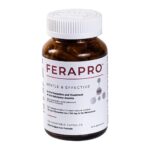
FERAPRO 150mg (Bob’s Iron Formula)
High-potency iron option that’s positioned as gentle on the stomach.
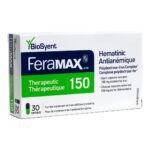
FeraMAX® Pd Therapeutic 150 Capsules
Popular polysaccharide-iron style capsule, often chosen for better tolerance.
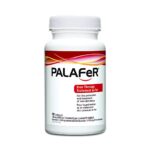
Palafer® Ferrous Fumarate 300 mg Capsules
A classic ferrous fumarate option—useful when you want a straightforward iron capsule.
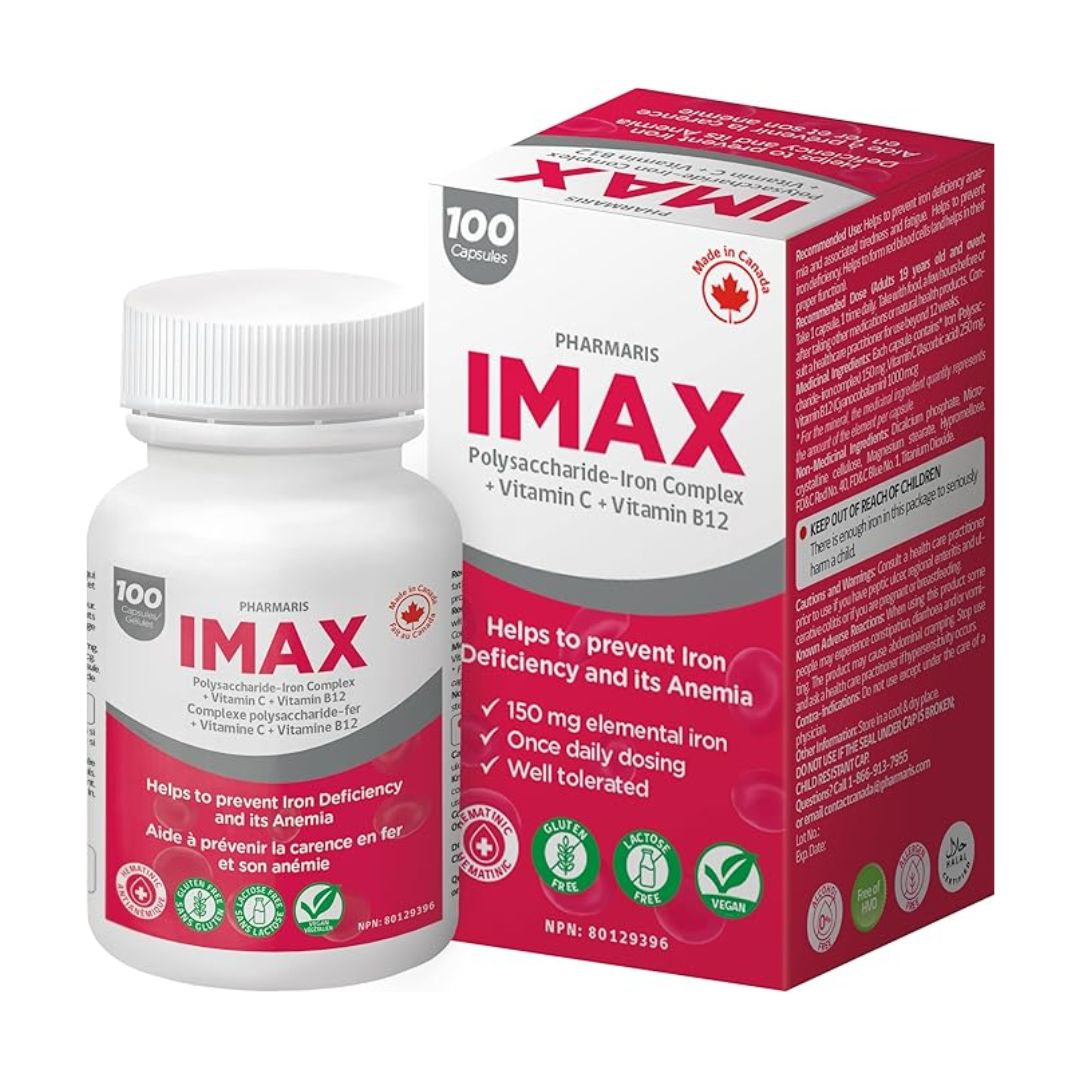
IMAX Iron Complex + Vitamin C + Vitamin B12
Polysaccharide iron with added vitamin C & B12—aimed at easier absorption and energy support.
About the Health Experts Meet the team behind this article

Written by: Prosper Pharmacy24 editorial team
The editorial team prepares general health and pharmacy-related content to help readers better understand topics such as medications, vaccinations, travel health, and everyday pharmacy care. Our content is developed with a patient-friendly approach and is intended for educational purposes only.

Medically reviewed by - Dr. Anant Mrar, R.Ph.
He is a registered pharmacist in British Columbia. He provides professional input on selected health content to help ensure the information is clear, practical, and consistent with commonly available pharmacy and public health guidance at the time of publication. This content is for general education and should not replace personalized advice from a pharmacist, physician, or other healthcare professional.